
In a culture that often equates health with thinness, it’s time to shift the conversation to one of weight-neutral health. At Valeo Well-Being, we believe in a weight-inclusive, embodiment-centered approach that supports people in cultivating lifelong health and well-being, not temporary fixes or unrealistic ideals.
Weight Is Not a Behavior, or a Measure of Health
One of the most important truths often overlooked in traditional health narratives is this: weight is not a behaviour, and it’s not an indicator of health. You can’t tell how healthy someone is by looking at them. Bodies come in all shapes and sizes, and larger bodies are not inherently unhealthy. In fact, research has shown that people in the “overweight” category often live the longest.1
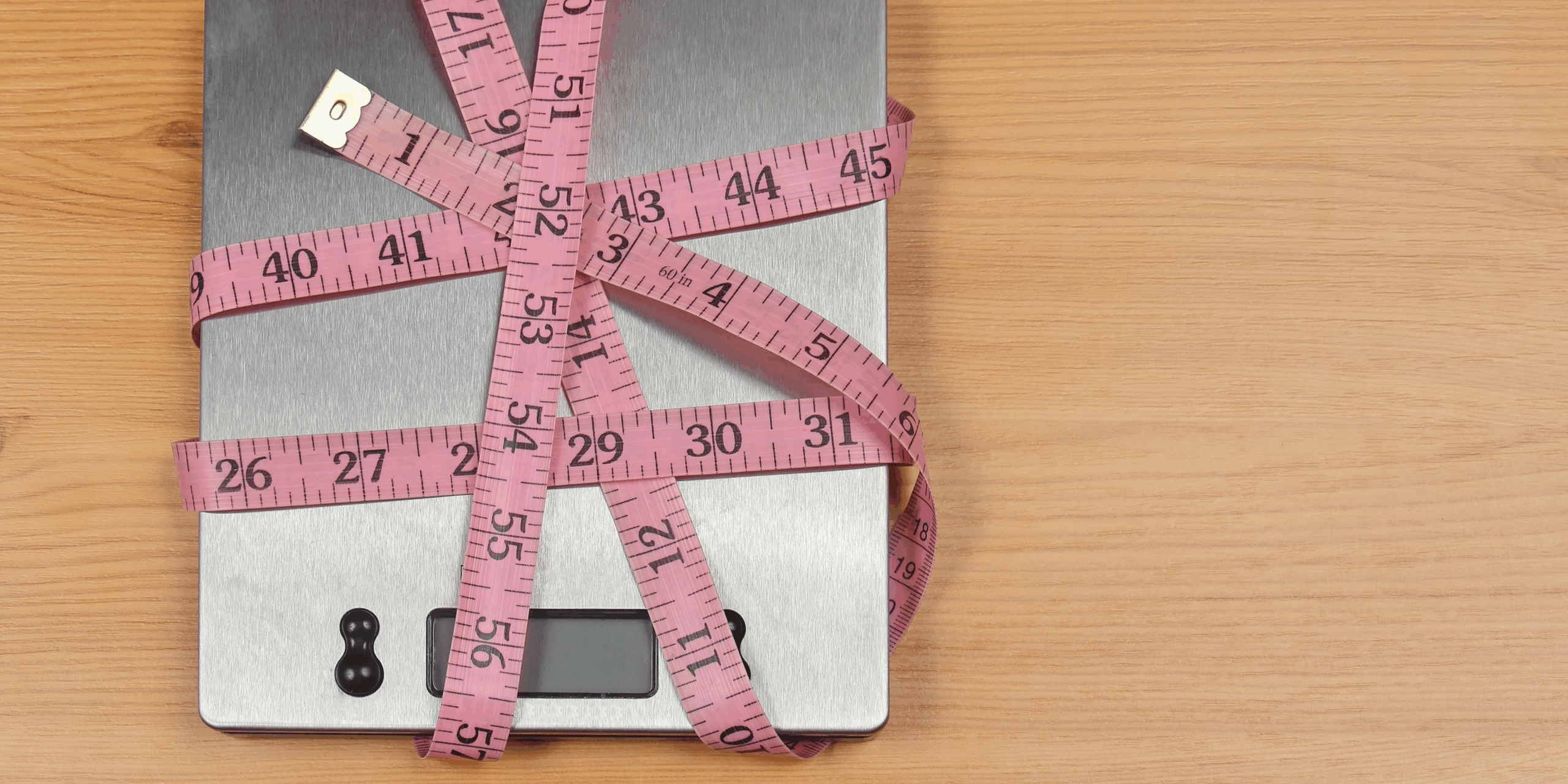
Weight is influenced by a complex interaction between genetics, biology, environment, and social factors. It’s not something we can simply control through willpower or lifestyle changes, just like we can’t will ourselves to be taller. Framing weight as a personal or moral success/failing is not only inaccurate it’s harmful. When health is reduced to a number on the scale, it fuels weight stigma, shame, and disordered eating behaviors. Weight-focused health messaging can lead to food restriction, reduced self-worth, and avoidance of care.2
Challenging the “Eat Less, Move More” Myth
One of the most persistent and damaging myths in diet culture is the idea that health (and weight) can be controlled by simply “eating less and moving more.” This oversimplified equation ignores the complexity of human biology and reinforces the false belief that people in larger bodies are just not trying hard enough.
Why not “Eat Less”? The Problem with Restriction
The idea that eating less leads to better health is misleading and dangerous. Chronic dieting and food restriction can increase preoccupation with food (sometimes called “food noise”) and ultimately contribute to disordered eating. Our bodies are wired to protect us from famine, not to conform to aesthetic ideals. When we restrict food, our brains respond with increased hunger signals and cravings. This isn’t a lack of willpower, it’s biology.
Moreover, labeling foods as “good” or “bad,” and restricting “bad” or “unhealthy” foods ultimately leads to cycles of guilt and shame when people inevitably “slip up.” Setting people up for “failure” in this way can lead to bingeing, emotional distress, and further restriction. This kind of binary thinking around food encourages unnecessary restriction and the elimination of foods we enjoy, which can undermine both physical and emotional well-being.
Instead, we advocate for attuned eating: listening to your body’s cues, honoring hunger and fullness, and enjoying a variety of foods without judgment. Weight-neutral health involves not attaching “bad” or “off-limits” to foods.
Why not “Move More”? Reframing Movement
Movement is often framed as a tool for weight loss, but this misses the point. Physical activity has profound benefits for mental and physical health, regardless of body size or weight changes. Physical activity doesn’t have to mean hitting the gym for hours. It can be as simple as walking the dog, dancing in your kitchen, or playing with your kids or grandkids. The best kind of movement is the one you enjoy and can do consistently, not the one you do out of guilt or obligation.
Redefining movement, as flexible and joyful, shifts the narrative from punishment to empowerment. By changing the focus from “burning calories” to feeling good in your body and appreciating what it can do for you, we empower people to move in ways that focus on their well-being, not their weight.
For a more in-depth perspective on Movement, read our previous article Reframing Movement (https://valeowellbeing.ca/reframing-movement-moving-for-life-not-for-looks/).
Health Is Rooted in Care, Not Control
Health is not a destination or a number, it’s a dynamic, personal experience. It’s about how you feel, how you function, and how you care for yourself. Enjoying a variety of foods, getting enough rest, managing stress, connecting with others, and moving in ways that feel good, are all behaviors that support well-being. Although weight may (and may not) change as a by-product of health behaviors, it should never be the goal. Our job isn’t to reshape our bodies, but to care for them with compassion and respect.
Challenging Weight Stigma and Celebrating Body Diversity
Weight stigma, or negative attitudes and beliefs about someone because of their weight status, is a social justice and public health issue. It leads to discrimination, avoidance of medical care, and emotional harm.3When we assume that thinness equals health, we ignore the real indicators of well-being, as well as perpetuate inequity and misunderstanding.
At Valeo, we believe in celebrating body diversity and promoting health equity for all. Everyone, regardless of size, deserves respectful, evidence-based care that supports their physical and emotional well-being.
Health Looks Different for Everyone: Weight-Neutral Health
There is no one-size-fits-all path to health. What matters is finding sustainable well-being practices that that work for you. Let’s move away from the scale and toward what really matters: energy levels, sleep quality, mobility, strength, emotional well-being, joy, and connection.
Together, let’s build a weight-neutral culture of care that uplifts, empowers, and honors everybody.
References
1. Flegal, K. M., Graubard, B. I., Williamson, D. F., & Gail, M. H. (2005). Excess deaths associated with underweight, overweight, and obesity. JAMA, 293, 1861-1867. doi: 10.1001/jama.293.15.1861.
2. Bacon, L., & Aphramor, L. (2011). Weight science: Evaluating the evidence for a paradigm shift. Nutrition Journal, 10(9), https://doi.org/10.1186/1475-2891-10-9
3. Nutter, S., Saunders, J. F., & Waugh, R. (2024). Current trends and future directions in internalized weight stigma research: A scoping review and synthesis of the literature. Journal of Eating Disorders, 12(1), 98. https://doi.org/10.1186/s40337-024-01058-0