
By Alana Wolframe and Alana Ireland
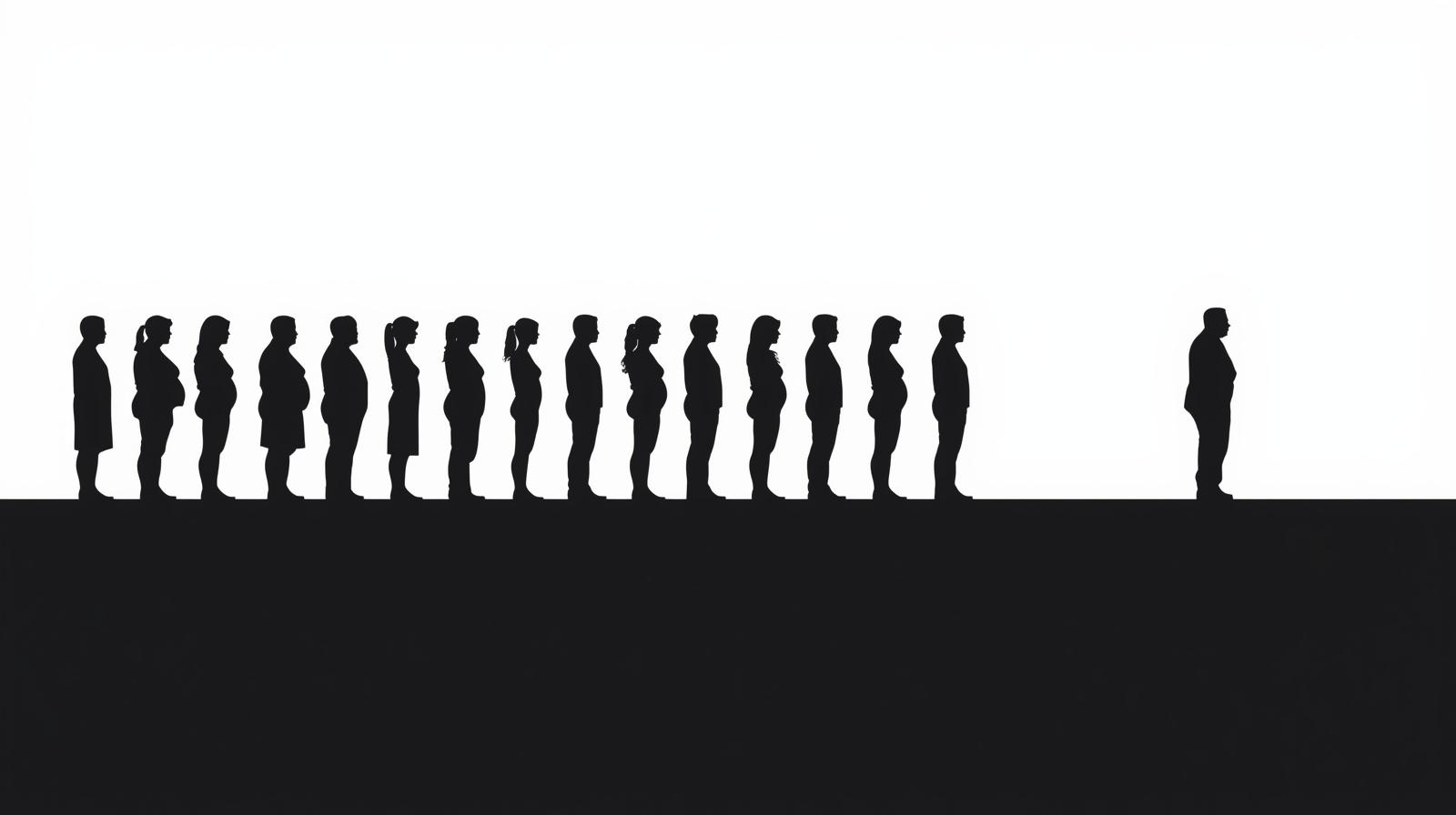
We’re all aware that we live in a culture that treats body size like a checkmark on a moral scorecard. Body weight is moralized in a way where people in smaller bodies are applauded for what must be ‘disciplined behaviour’ to manage their weight, and people in larger bodies are stigmatized and stereotyped for ‘letting themselves go.’ These negative attitudes, beliefs, and social devaluation of people due to larger body size is considered weight stigma. Every comment, seemingly big or small, that is made about someone’s weight or shape has an impact, yet stereotypes and “fat talk” (see our previous blog on Body Talk for an explanation of fat talk) seem to be passed around as “ordinary” or acceptable. “She’d be so pretty if she lost weight.” “You shouldn’t eat that.” “They don’t have the self control, that’s why the diet failed.”
The Harmful Impact of Weight Stigma
These kinds of comments contribute to a culture where body size becomes a proxy for character, worth, and even health status, shaping how people feel in and about their bodies. Weight stigma isn’t just unpleasant, it comes with measurable harm. People who experience weight stigma report poorer mental health, increased shame, and social isolation. Physically, the stress of weight stigma can lead to worsened health outcomes, and contribute to disordered eating and avoidance of physical activity. It also affects how people engage with healthcare. Many avoid seeking medical care after being dismissed or shamed in clinical settings. This avoidance can lead to delayed diagnosis and treatment for real health problems, and sometimes even when they do seek care, stigma alone can interfere with proper treatment. Simply put, weight stigma is not only a very important social issue, it’s a serious health risk.
Increasing Your Awareness
While reading this, if you hadn’t heard of weight stigma before, you may be experiencing feelings like guilt, curiosity, feeling defensive, frustration, or a mix of all of these, and that’s ok. These are natural responses when individuals start to examine thoughts or beliefs that were once invisible or unquestioned. The intention of this blog is not to point fingers or blame. It’s about cultivating awareness. It’s about taking the first step towards change by noticing the messages that you have absorbed, and asking where they came from. If you have been the target of weight stigma, we hope this offers some relief: someone is finally saying your weight is not a moral failing, it is not entirely within your control, and the way you’ve been treated is unjust.
Where do these messages come from?
Weight stigma comes from many sources, such as media messages portraying thinness as the ideal, social comparisons (as mentioned in our previous blog Breaking Free From Social Comparison), “well-meaning” comments from family, and simplified “health” messaging that reduces complex biology to “eat less, move more.” These messages are reinforced by public health campaigns, the fitness industry, and even clinical settings, where weight is often treated as a primary indicator of health.
Weight-Focused Paradigms: What They Miss
Weight-focused paradigms refer to approaches that prioritize weight loss as the main goal of health interventions. These paradigms assume that lower weight equals better health, and that individuals have full control over their body size. Research shows that weight-focused paradigms often miss the mark. BMI, a commonly used tool in these models, is a poor proxy for individual health, and fails to account for factors like genetics, socioeconomic status, the environment, social influences, mental health, and much more. Weight-centric interventions frequently fail in the long term and can even cause harm. They can contribute to disordered eating, increased body dissatisfaction, and dismissing positive health behaviours in the absence of weight loss. Shifting the focus from weight to health behaviours is supported by research, and weight-inclusive approaches such as Health at Every Size (HAES; citation) offer a more compassionate and evidence-based alternative. These approaches emphasize sustainable habits, body respect, and equitable care, regardless of body size.
Some Honest Questions to ask yourself (Judgement-free)
Take some time with these and read them slowly.
- When did I first hear messages about weight in my family, whether it was directed towards me or someone else? And what were they?
- What are other sources of messaging about weight that I have internalized?
- Have I ever assumed someone’s health, habits, or character based on their body shape or size?
- How do I talk about my own body in front of children, friends, or colleagues?
- Do I celebrate people based on how they look, or for who they are and what they do?
Practicing curiosity rather than defensiveness is a good start towards making space for change. When we begin to notice how weight stigma operates, it’s common to feel discomfort, especially if we’ve unknowingly participated in or internalized these messages. But curiosity allows us to ask, “Where did I learn this?” and “Is it true?” without shame. This mindset opens the door to growth and compassion for ourselves and others.
How Weight Stigma Shows Up in Everyday Life
It can be subtle or overt. It might show up as a “fat joke” in a social setting. or even intended as a compliment, like congratulating someone for losing weight. It may look like a health professional focusing on weight instead of symptoms, or assuming poor health based solely on body size. It can also appear in workplaces where people are stereotyped as less disciplined or overlooked for promotions, and in romantic relationships where someone may be treated as less desirable or even rejected because of their body size, regardless of their personality, values, or emotional connection. It is also present in our environment in chairs or seats that aren’t built for all bodies, and medical equipment or clothing brands that fail to accommodate diverse body types, sending the message that only certain bodies are expected or welcomed.
All of these moments communicate a gross underlying message: that larger bodies are less deserving of respect, care, and dignity. This message doesn’t just hurt feelings, it can shape how people see themselves, how they engage with others, and safety in accessing support and healthcare. Over time, it contributes to lasting shame and undermines people’s sense of worth.
Actions You Can Take Today to Reduce Weight Stigma
- Pause before commenting on someone’s (or your own) body. If you ever feel the urge to remark on weight or shape and ask, “Is this helpful?” Often, the answer is no.
- Change the narrative in your own home. Do this by not allowing any “fat talk” and replacing appearance-based comments with experience. Instead of “You look smaller,” try “how was your walk?” Modelling this matters, especially to children, who learn from what we say and what we present as of value.
- Focus on function, not form. Make compliments on abilities, actions, and qualitites: “You’re a great listener!” or “This recipe smells amazing!”
- Question trending health claims. If you come across a headline that reads “X food causes Y,” pause. Remember that health is complex and shaped by many factors such as genetics, environment, and access to care. Oversimplified messages often create fear rather than support informed choices.
- Speak up kindly when someone makes a shaming joke. A simple, “I’m not comfortable with that,” or “Let’s not comment on bodies,” can shift the tone of the conversation. It doesn’t have to be confrontational to make an impact.
A Personal Invitation to Shift the Narrative
If you’re sitting here and wrestling with your own internalized beliefs, please know that change is possible, and can have a meaningful impact. You don’t need to overhaul everything overnight, you can start with one small and intentional shift each day or week. Maybe it’s the words you use when you look in the mirror, the joke you decide not to laugh at, the way you describe a family member or stranger, or remembering weight does not equal health. Over time, these small changes will add up, and help to dismantle a culture that equates worth with size.
Unlearning Stigma, Relearning Acceptance
Weight stigma is not an accident; it’s learned. And because it’s learned, it can be unlearned by choosing respect and acceptance over judgement and stereotypes. When we challenge these taken for granted beliefs and attitudes in our homes, workplaces, and communities, we help create environments where everyone feels seen, valued, and safe in their bodies.